
CASE STUDY
West Coast Composting Facility
Concrete pH Protection with MarMac® Concrete Admixture
Cathedral City, CA
July 2025
235 Gallons
Concrete
Extreme desert heat, continuous organic acid exposure, and the demands of a brand-new commercial composting facility made this project a defining test for MarMac® AMX 5500 — a concrete admixture engineered to combat pH degradation and extend the service life of concrete in chemically aggressive environments.
Project Overview
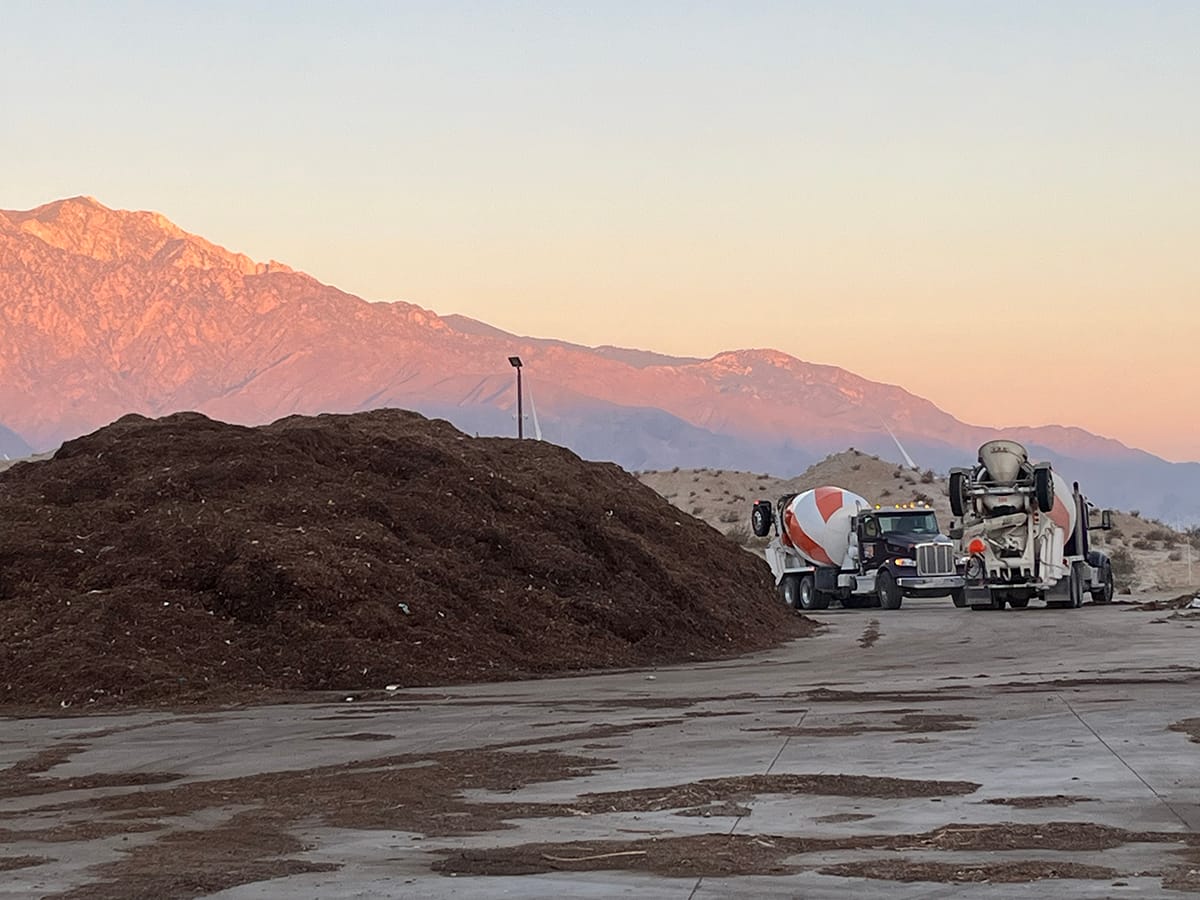
One of California’s largest waste management and recycling companies, broke ground on a new composting facility in Cathedral City, California — located in the Coachella Valley near Palm Springs. The facility was designed from the ground up to handle large volumes of organic material, and protecting the concrete floor slab was a primary concern from the outset.
The core challenge is well understood in the composting industry: organic material in various stages of decomposition continuously releases acids that attack concrete. This biological process rapidly lowers the pH at the slab surface, accelerating corrosion of the cement matrix and embedded materials. Left unaddressed, this chemical degradation forces facility operators to replace slabs far sooner than expected — a costly disruption to business operations and throughput.
The waste management company’s project team sought a solution that could neutralize or significantly slow this pH-driven degradation, reducing long-term maintenance costs and extending the useful life of the new slab. MarMac® AMX 5500 was selected and supplied to the contractor for incorporation into the floor slab concrete mix.
Installation Overview
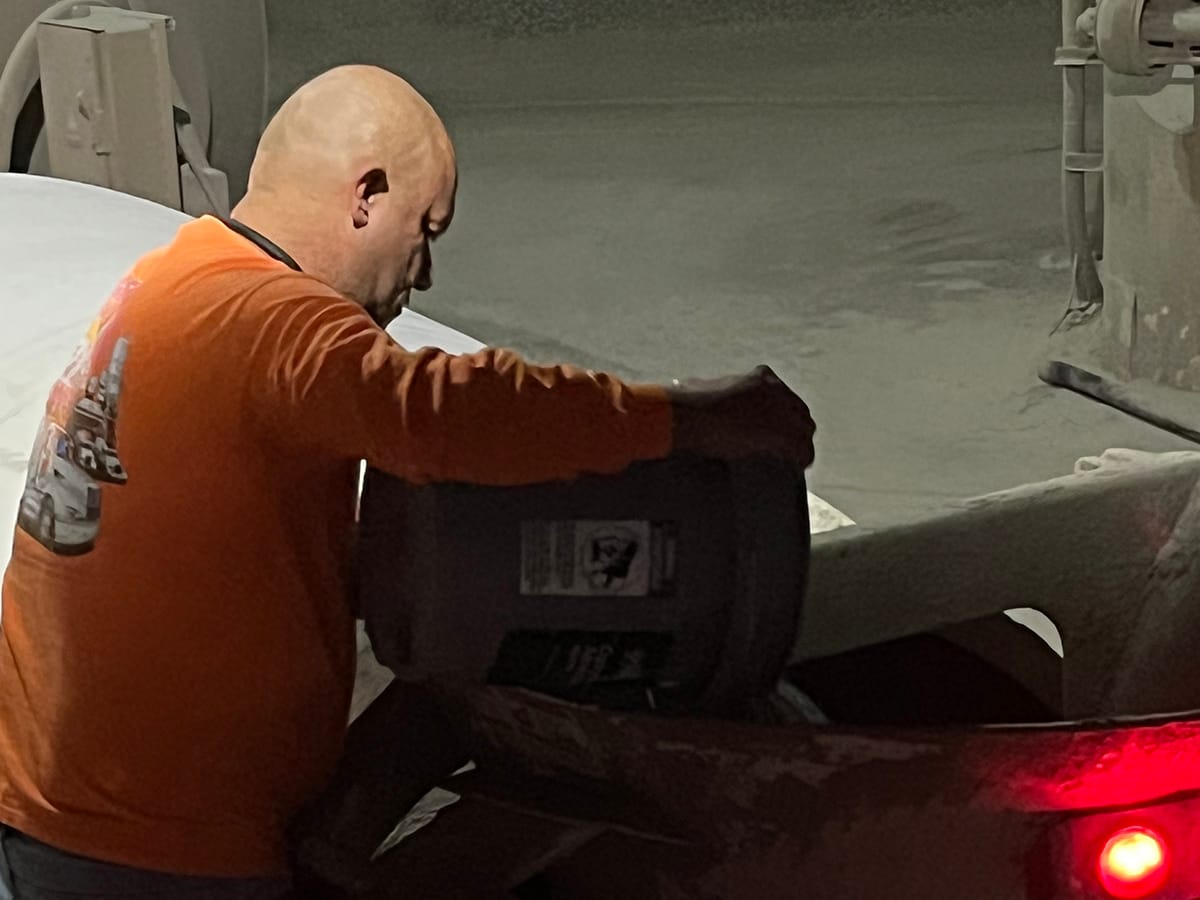
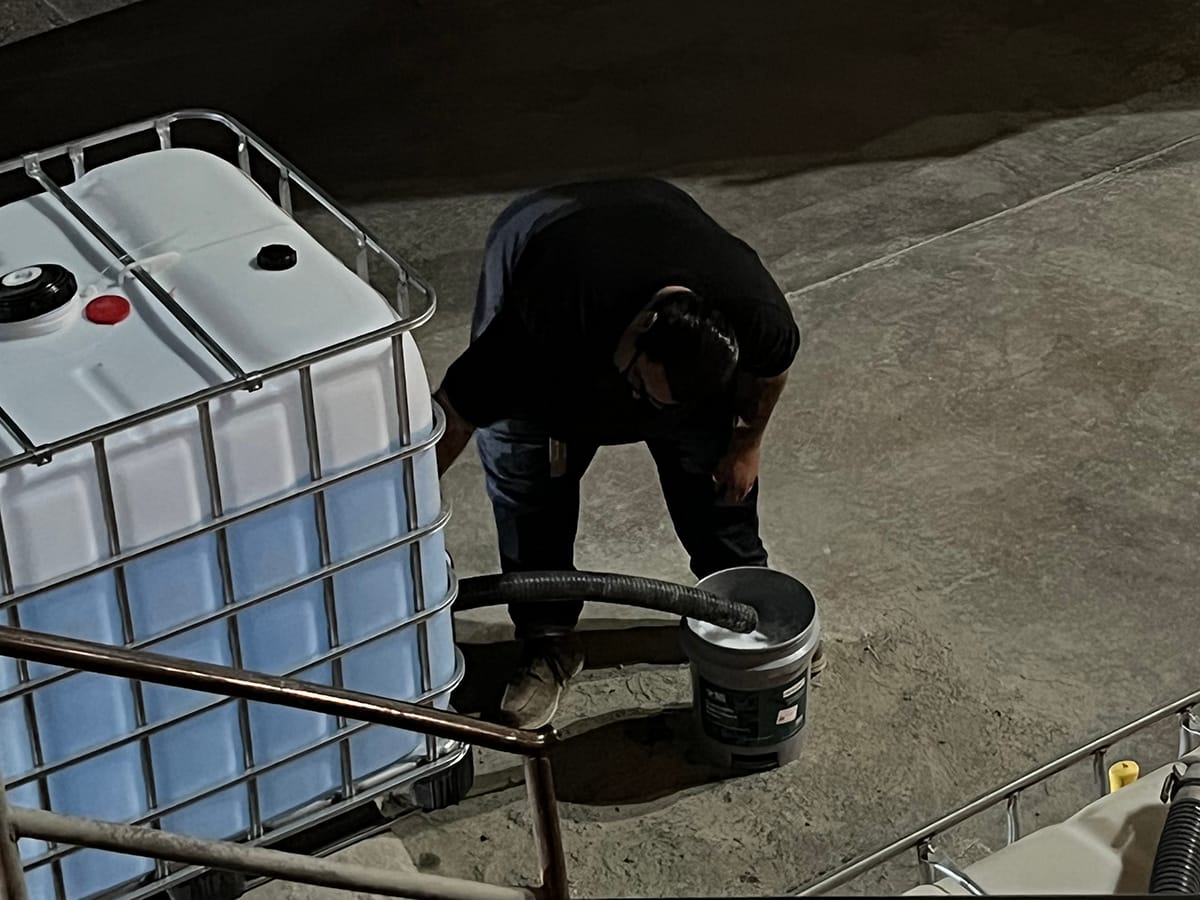
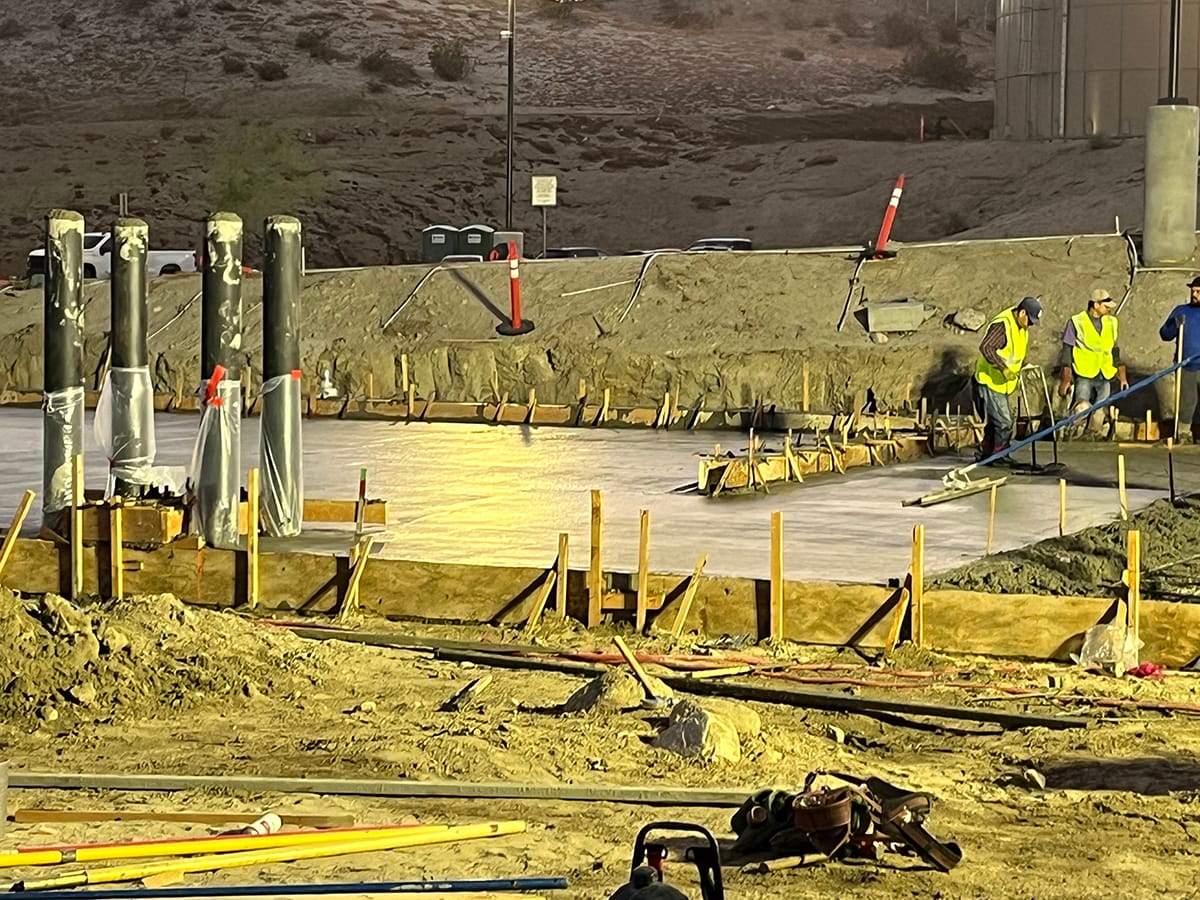
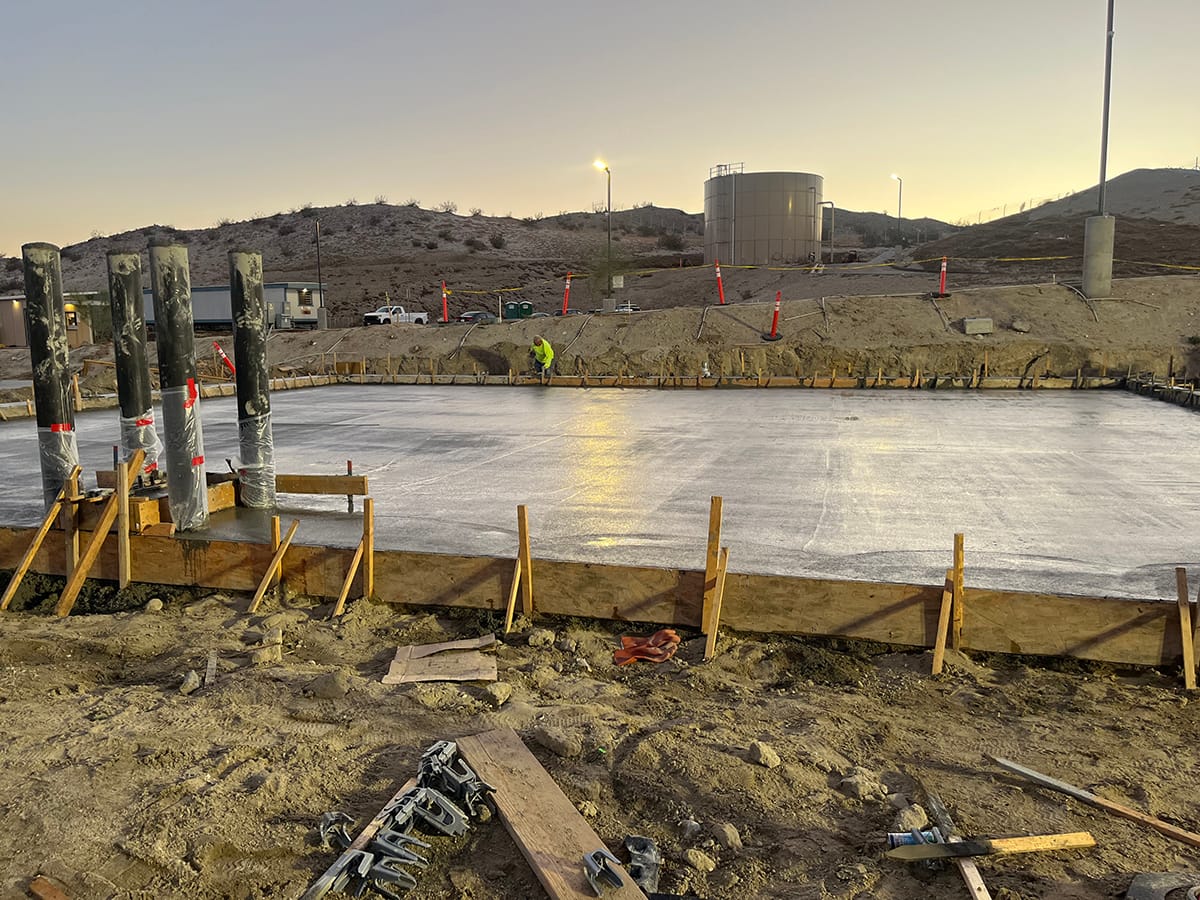
The project involved the placement of 155 cubic yards of concrete treated with 235 gallons of MarMac® Concrete Admixture AMX 5500, dosed at a rate of 1.5 gallons per cubic yard. AMX 5500 was incorporated into the slab only — the footers, which are not exposed to compost, were poured without admixture.
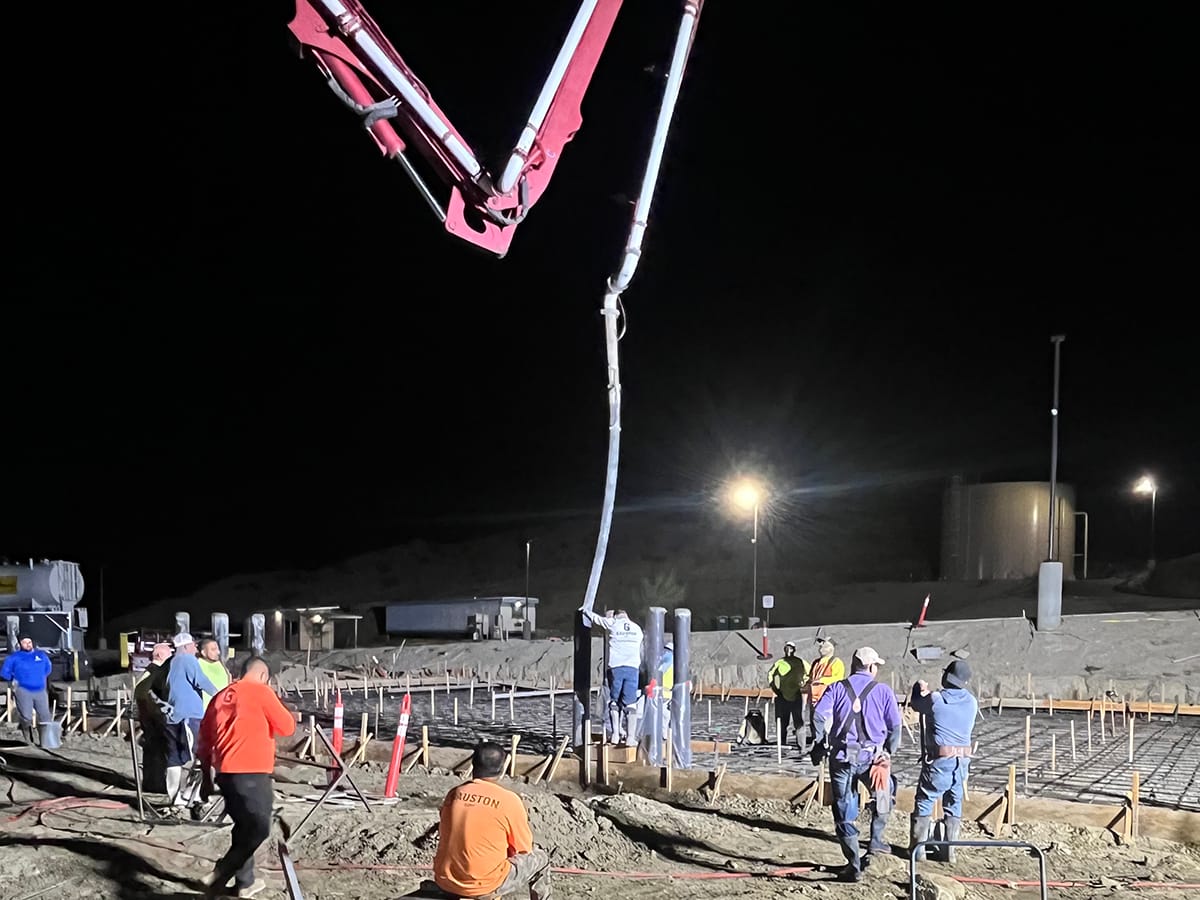
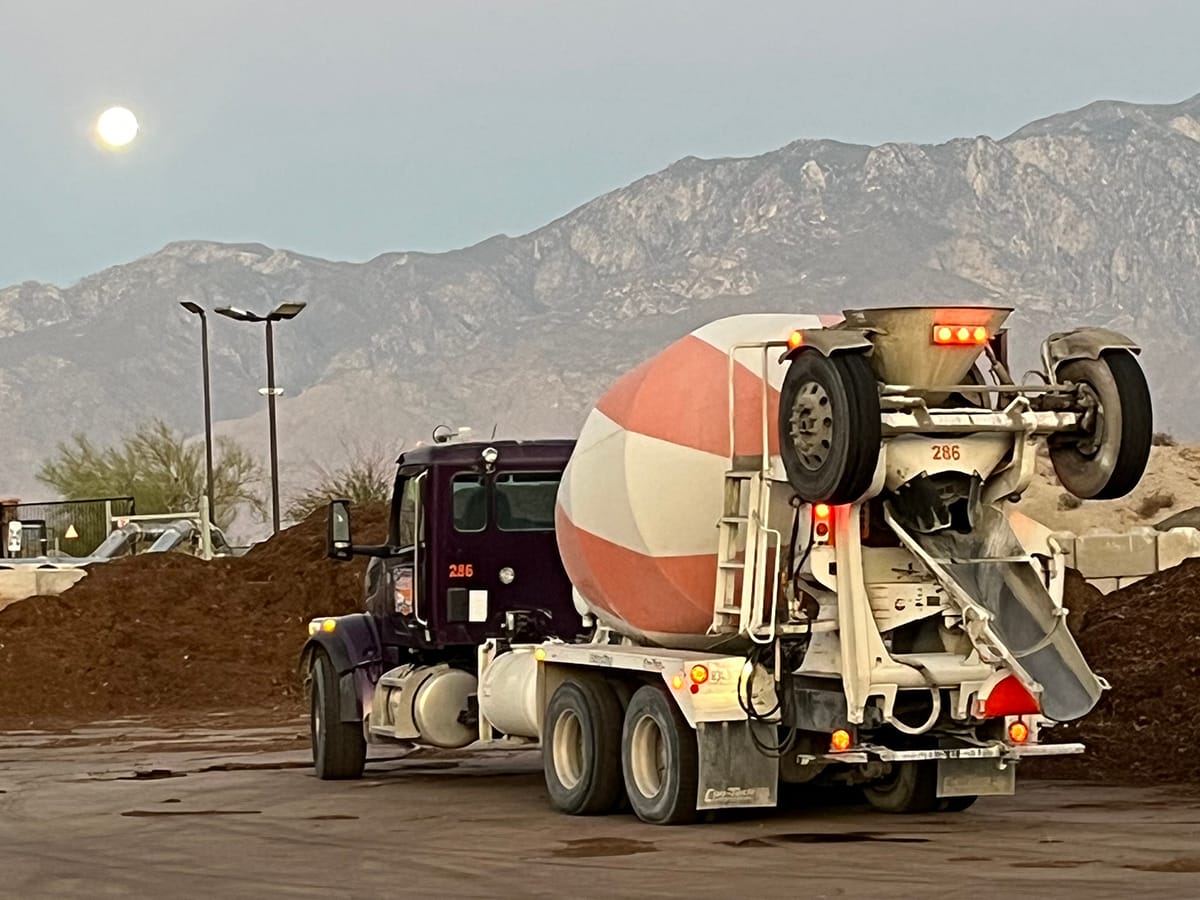
One of the most notable aspects of this pour was the timing. The Coachella Valley is one of the hottest regions in the United States, and this project was executed in the height of summer. Daytime high temperatures reached 115°F on July 10th and climbed to 117°F on July 11th, with overnight lows hovering between 85–90°F in the hours leading into the pour. Placing and finishing concrete in these conditions requires precise coordination and a narrow execution window.
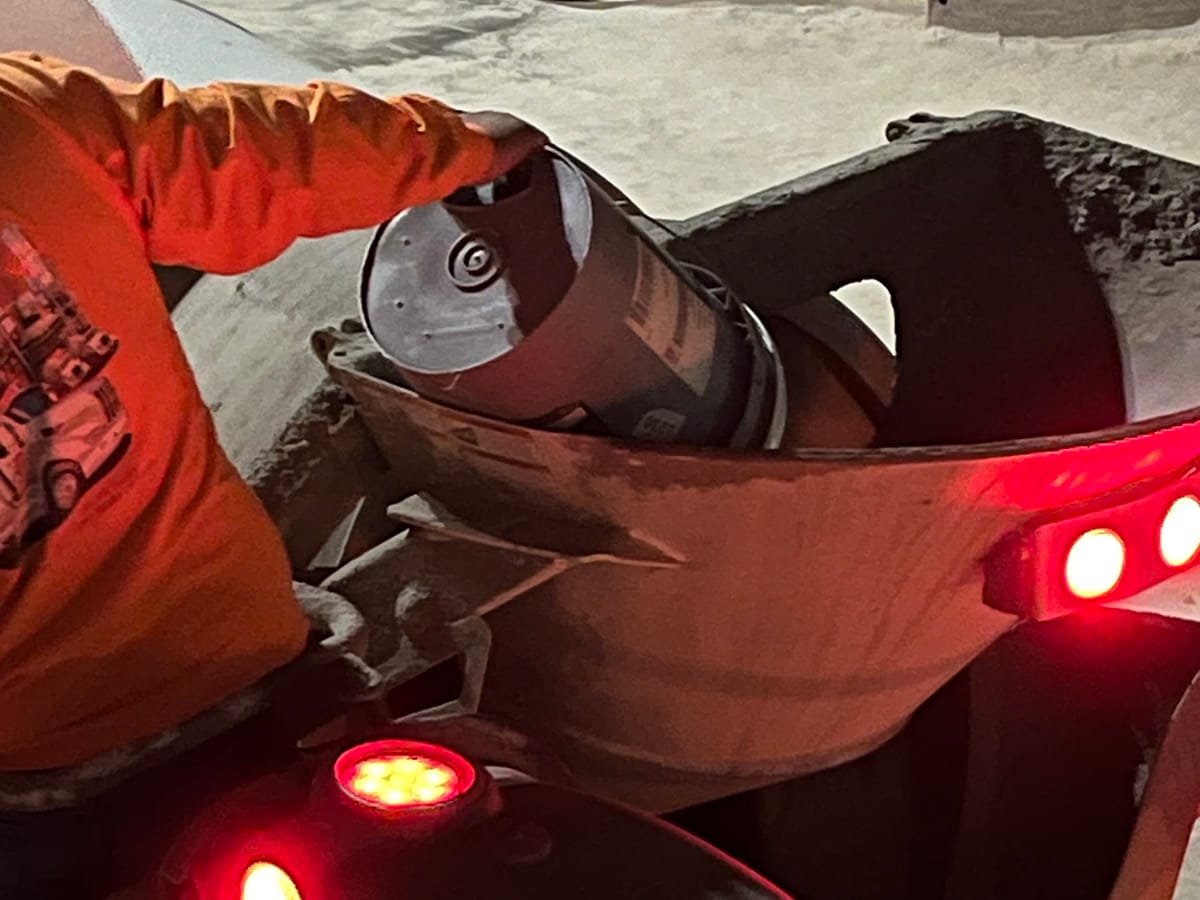
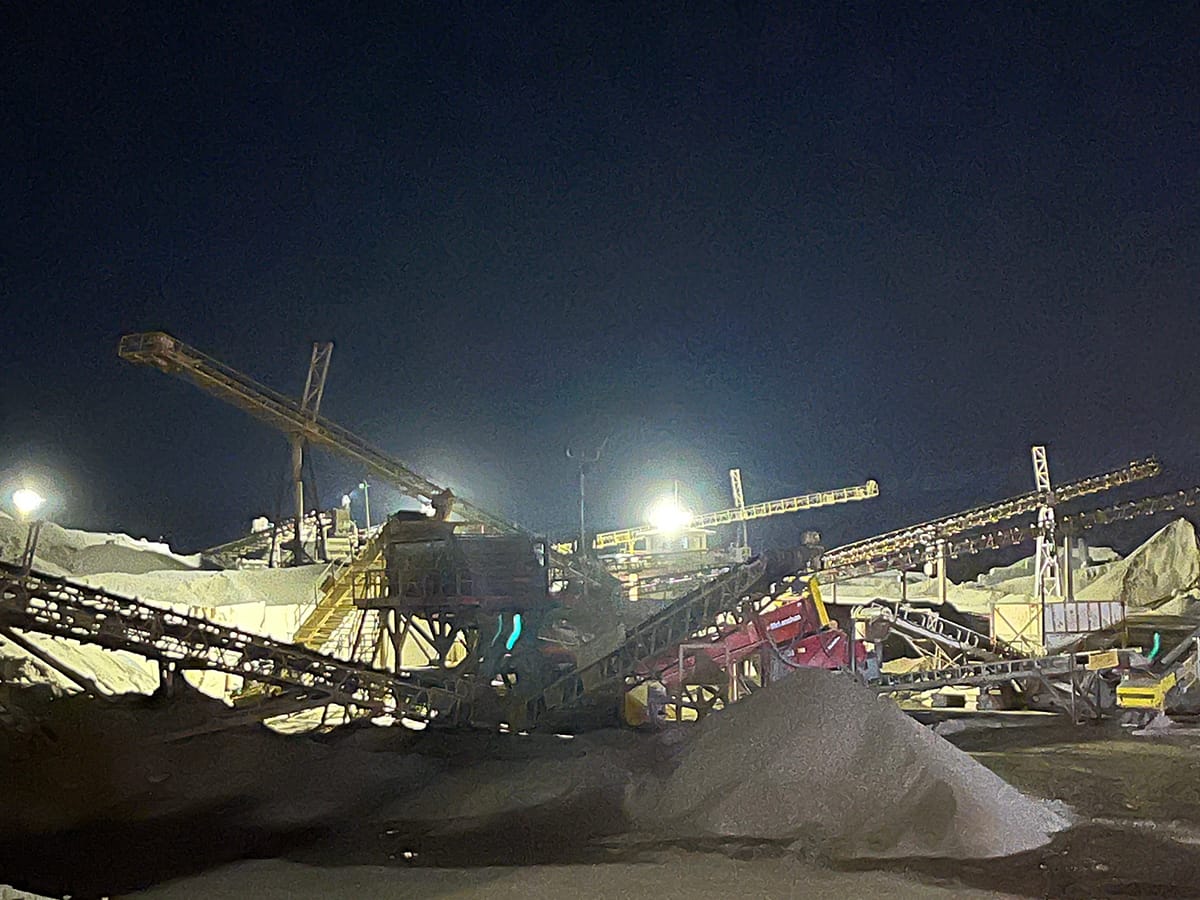
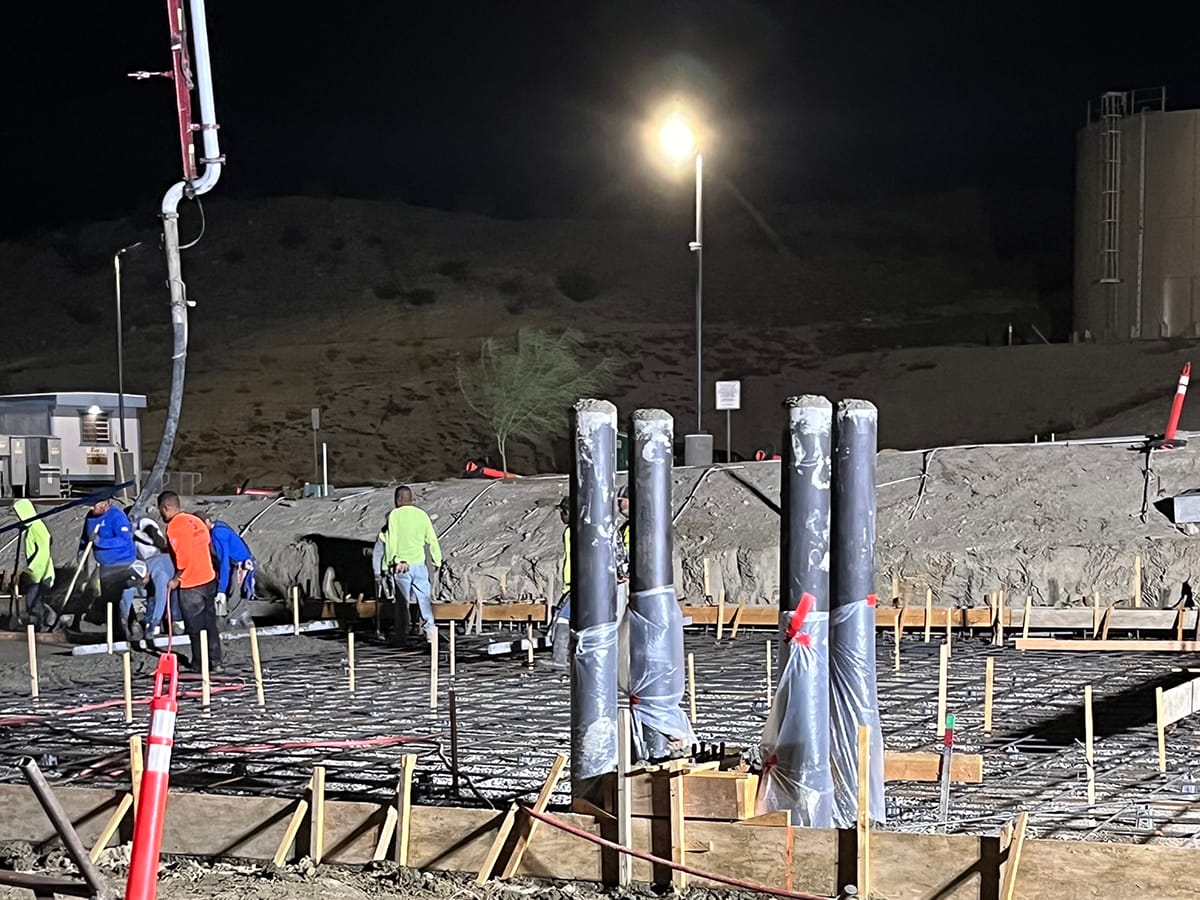
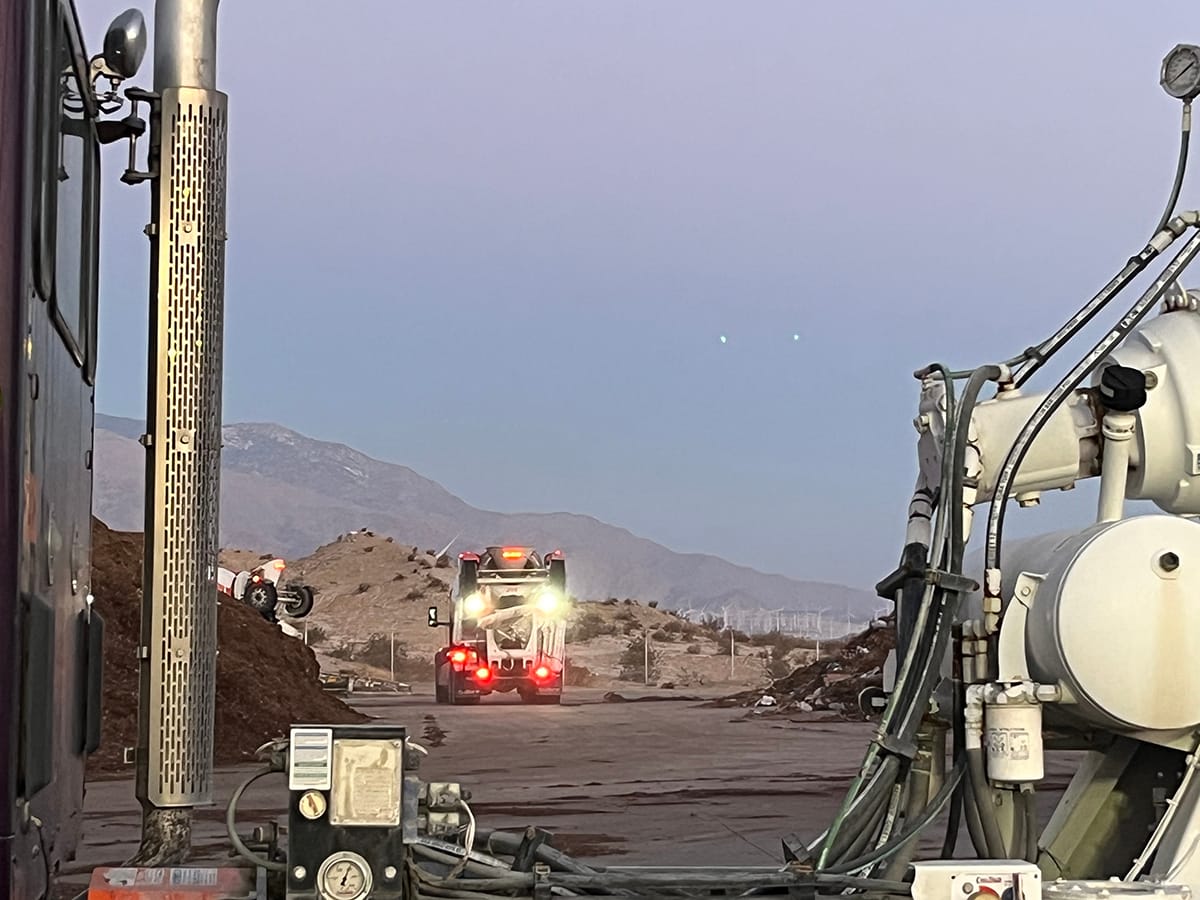
To avoid the intense daytime heat and protect concrete workability, dosing at the ready mix plant began at 1:30 AM PST. The concrete was batched, transported, placed, and troweled — with the slab fully finished by 8:00 AM PST, well ahead of the rising desert heat. The project manager anticipated full completion, including form removal, by 10:00 AM PST.
The early morning pour window allowed the crew to complete placement and finishing within a manageable temperature range — a critical factor in achieving proper hydration and surface quality in extreme heat environments.
Why MarMac® Concrete Admixture
AMX 5500 was selected for this project for several interconnected reasons:
pH Stability in Organic Acid Environments: The composting process generates a near-constant load of organic acids at the slab surface. Over time, this drives down the concrete’s pH, breaking down the alkaline cement paste that protects both the aggregate matrix and any embedded reinforcement. AMX 5500 is formulated to help maintain a more balanced pH profile within the concrete, slowing the rate of acid-driven corrosion.
Extended Slab Service Life: Replacing a composting facility floor slab is not simply a material cost — it forces operational shutdowns, disrupts composting workflows, and creates logistical headaches for waste management operations. By investing in AMX 5500 at the time of construction, the facility will have longer service intervals between replacements, reducing lifetime facility costs.
Performance Under Extreme Conditions: The summer desert environment posed significant risks for concrete placement. AMX 5500’s compatibility with the mix design, combined with strategic pour timing, supported a successful placement despite ambient overnight temperatures that most concrete specifications would flag as problematic.
Targeted Application: Because AMX 5500 is specifically intended to protect concrete in chemically aggressive, high-exposure environments, it was applied only to the slab — where organic material will be in continuous contact — rather than the footers, which are not subject to compost exposure. This targeted approach reflects both sound engineering judgment and responsible product stewardship.
Project Results & Performance
The floor slab for the waste company’s new composting facility was successfully placed and finished on July 11, 2025 — on schedule and within the narrow window that extreme summer heat conditions demanded. The early-morning batching and placement strategy, beginning at 1:30 AM and completing troweling by 8:00 AM, proved effective in managing heat-related risks.
With 155 cubic yards of AMX 5500-treated concrete now in place as the working surface of an active composting facility, this installation will serve as a real-world performance benchmark for MarMac® AMX 5500 in one of the most chemically demanding floor slab applications in the waste management industry. Long-term results will be evaluated as the facility comes to full operation and the slab is subjected to ongoing organic material contact.
The waste company’s decision to incorporate AMX 5500 into the new facility from day one reflects a proactive approach to infrastructure protection — one that prioritizes long-term operational continuity over short-term construction savings.
MarMac® Products Used

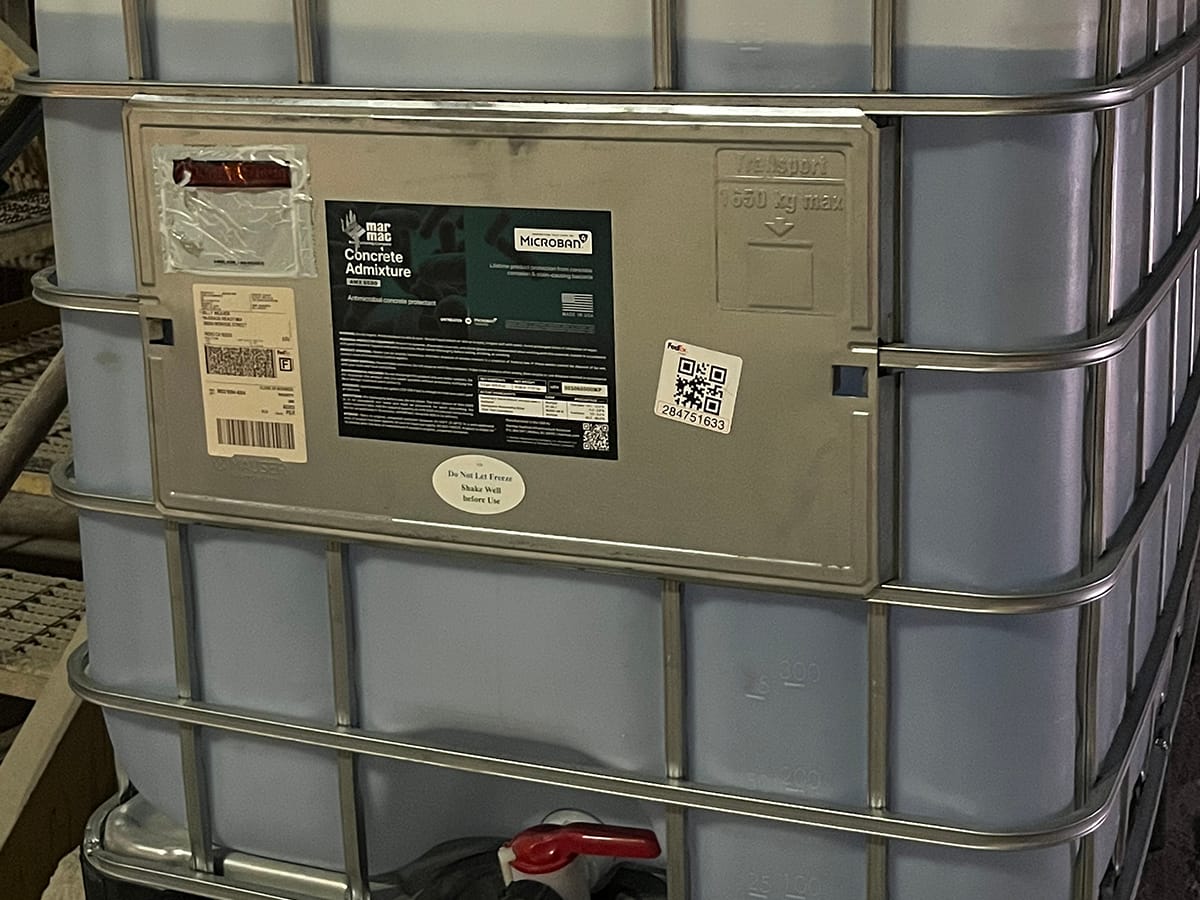
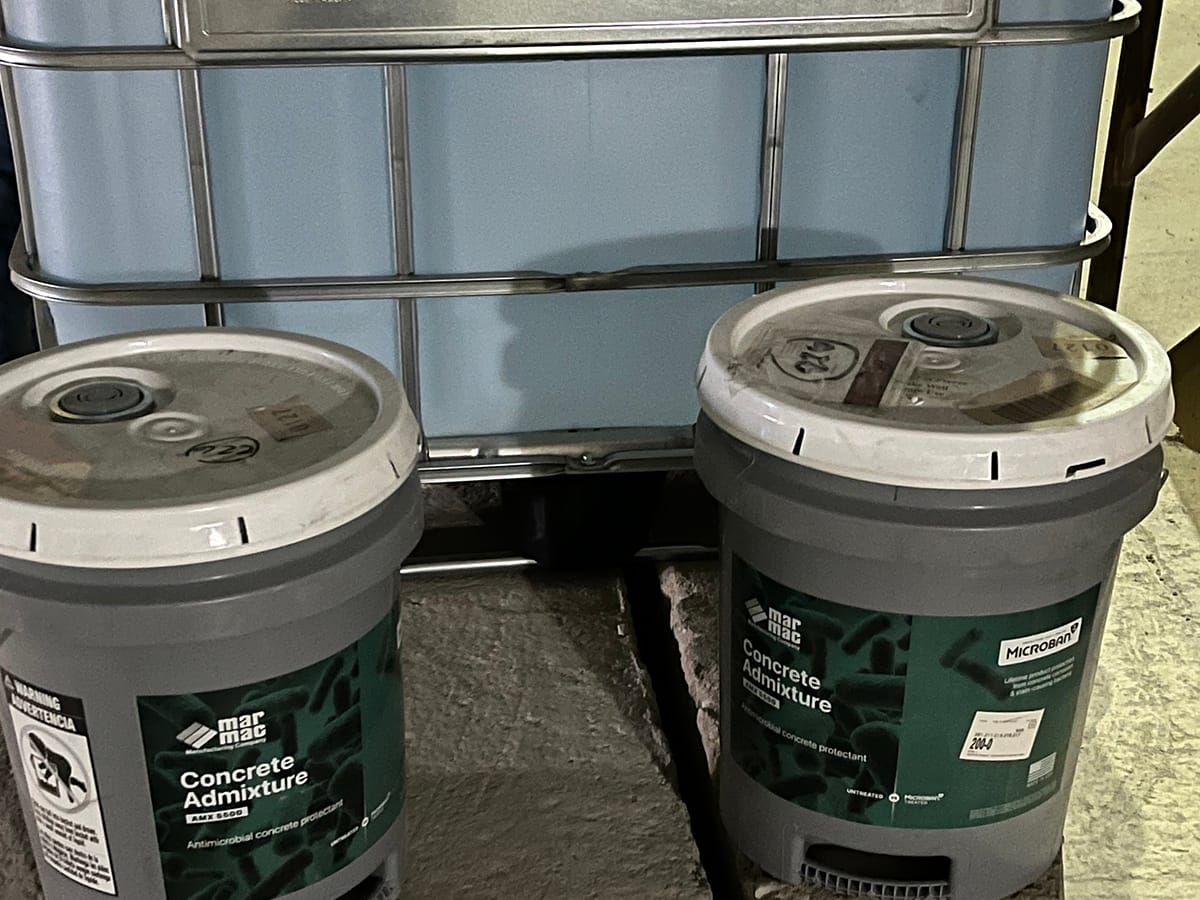


MarMac® AMX 5500 is an antimicrobial concrete admixture formulated to improve pH stability and resist chemical degradation in concrete exposed to organic acids, waste materials, and other corrosive environments. AMX 5500 is designed for use in wastewater infrastructure, composting facilities, agricultural applications- any setting where concrete is subject to bacterial colonies and/or accelerated chemical attack.